Bringing a new life into the world is a thrilling journey, one filled with anticipation, dreams, and planning. For many hopeful parents, boosting their chances of conception becomes a priority, and one robust way to support this goal is through a balanced fertility diet. Eating the right nutrient-rich foods can make a significant difference in nurturing your reproductive health. In this article, we’re exploring ten key foods known to potentially enhance fertility, covering how they work and how you can incorporate them into your daily diet.
Understanding Fertility and Nutrition
The connection between nutrition and fertility is fascinating and crucial for anyone hoping to conceive. Various studies have shown that a balanced diet can significantly improve reproductive health, affecting everything from ovulation to sperm quality. While there’s no magic food that guarantees pregnancy, certain nutrients play vital roles in fertility. These include folate, vitamin C, vitamin D, omega-3 fatty acids, antioxidants, and zinc. By ensuring your diet is rich in these nutrients, you’re laying a strong foundation for conception.
The Role of Antioxidants in Fertility
Antioxidants are compounds found in many foods that prevent cellular damage by neutralizing free radicals. For fertility, antioxidants like vitamins C and E, folate, and beta-carotene are particularly crucial. Free radicals can damage both sperm and egg cells, and incorporating antioxidant-rich foods can help safeguard your reproductive cells, enhancing your chances of conception.
Foods High in Antioxidants:
- Berries: Blueberries, strawberries, and raspberries are packed with antioxidant properties. They’re easy to add to breakfasts, smoothies, or enjoy as a snack.
- Nuts and Seeds: Almonds, walnuts, and sunflower seeds provide a healthy dose of antioxidants and are great for on-the-go snacking.
The Power of Omega-3 Fatty Acids
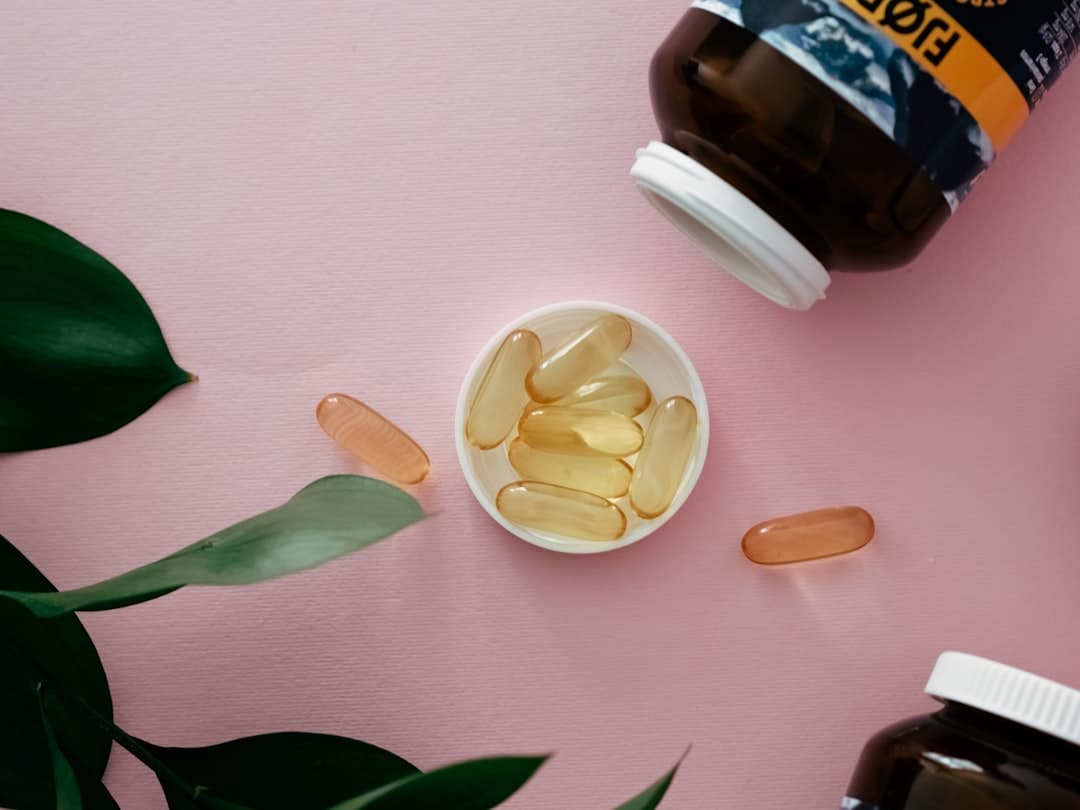
Omega-3 fatty acids are essential fats that have shown significant benefits in supporting reproductive health. They play a part in reducing inflammation, balancing hormones, and improving egg quality. For men, omega-3s can enhance sperm motility and morphology, making them key players in a balanced fertility diet.
Omega-3 Rich Foods:
- Fatty Fish: Salmon, trout, and sardines are excellent sources. Aim to include these fish in your meal plans several times a week.
- Flaxseeds and Chia Seeds: These are excellent plant-based sources of omega-3 fatty acids. They can easily be sprinkled over salads, cereals, or incorporated into baking recipes.
Importance of Vitamins and Minerals
Vitamins and minerals form the backbone of any fertility-focused diet. Here are a few specific nutrients to keep an eye on:
Folate: Vital for reducing the risk of birth defects and supporting cell division. Leafy greens like spinach and kale are rich in folate.
Zinc: Known to improve sperm production and regulate normal hormone function. Oysters, beef, and poultry are packed with zinc.
Vitamin D: Essential for hormone regulation and may improve ovarian follicle development. You can find vitamin D in foods like egg yolks and fortified dairy products.
Incorporating These Nutrients:
Consider a simple meal plan that includes a spinach salad topped with sunflower seeds and a lemon-Omega 3 vinaigrette. To keep it balanced, add a small portion of grilled trout on the side. This combination not only covers essential vitamins and minerals but is also delicious and satisfying.
Whole Grains and Their Benefits
Whole grains are a vital part of a fertility-boosting diet. Unlike refined grains, whole grains maintain their fiber, vitamin, and mineral content, supporting balanced insulin levels. Insulin balance is key to managing conditions like polycystic ovary syndrome (PCOS), which can affect fertility.
List of Whole Grains to Include:
- Quinoa: A complete protein and magnesium-packed grain, quinoa is versatile and can be used in salads, as a side dish, or a breakfast porridge.
- Brown Rice: Offers more fiber than white rice, making it a great substitute in various dishes to keep you fuller longer and maintain energy levels throughout the day.
The Hidden Power of Plant-Based Proteins
Switching some of your animal-based protein intake to plant-based sources not only diversifies your diet but also supports reproductive health. High meat consumption, especially processed meats, can negatively impact fertility, whereas plant-based proteins deliver nutrients beneficial for hormonal balance.
Top Plant-Based Proteins:
- Lentils: High in protein and iron, lentils contribute to maintaining healthy ovulation.
- Chickpeas and Beans: Packed with fiber and protein, they support hormone regulation and can be added to soups, salads, or made into delicious hummus.
Conclusion
Embarking on the journey to parenthood is exciting, and your diet plays a significant role in supporting this process. By incorporating these ten nutrient-rich foods into your diet, you’re not only boosting your chances of conception but also advancing your overall health. A fertility-focused diet filled with antioxidants, omega-3 fatty acids, important vitamins, minerals, whole grains, and plant-based proteins can be both delicious and nourishing. Enjoy experimenting with these foods and watch how they contribute positively to your body and your path to parenthood.
Remember, any dietary change should be coupled with a healthy lifestyle for the best results, and it’s always a good idea to discuss your diet and fertility efforts with a healthcare provider. Wishing you success on your journey to conceiving your bundle of joy!
Photo by Randy Fath on Unsplash