Welcoming a new baby into the world is one of life's greatest joys, and as parents, you're likely eager to help your little one grow and flourish. During the early months, your baby is learning and developing at an astonishing rate. With the Montessori method's emphasis on natural learning and exploration, you can nurture your child's curiosity and development right from the start. This guide explores Montessori baby activities for newborns to 12 months, offering a practical roadmap to support your baby's early experiences.
Understanding the Montessori Approach
The Montessori method, developed by Dr. Maria Montessori, is all about fostering independence, a love of learning, and a sense of natural curiosity. At its core, it focuses on observing your child and catering to their individual learning pace and style. By setting up an environment that allows babies to explore safely, parents can encourage their newborns' development and growth in a supportive manner.
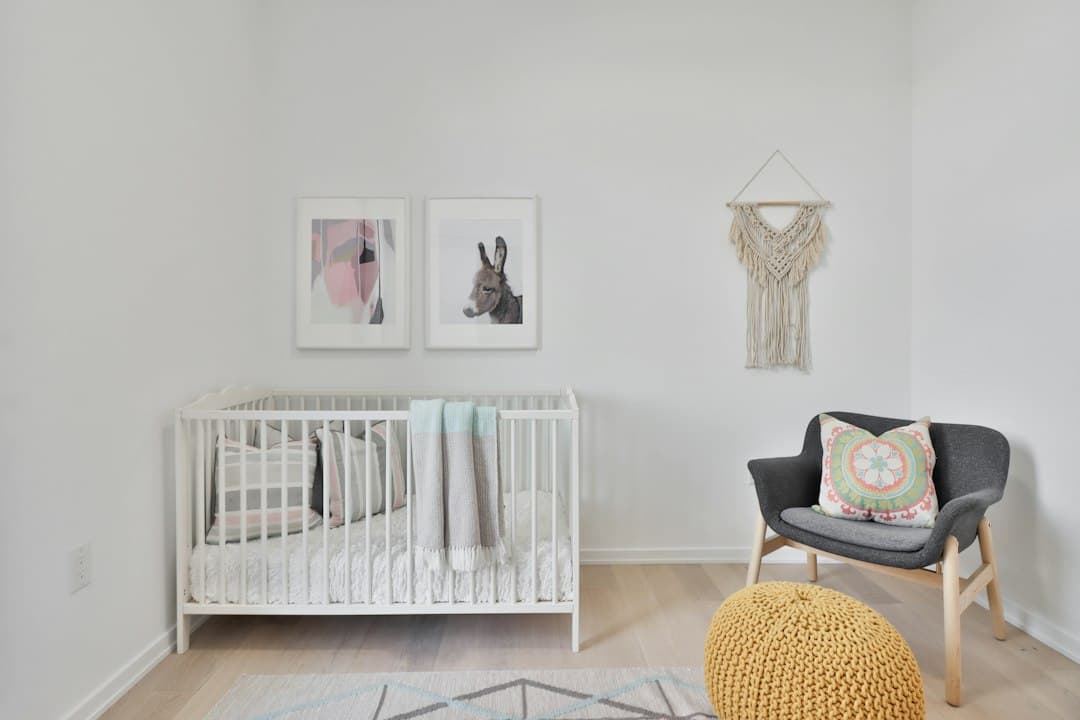
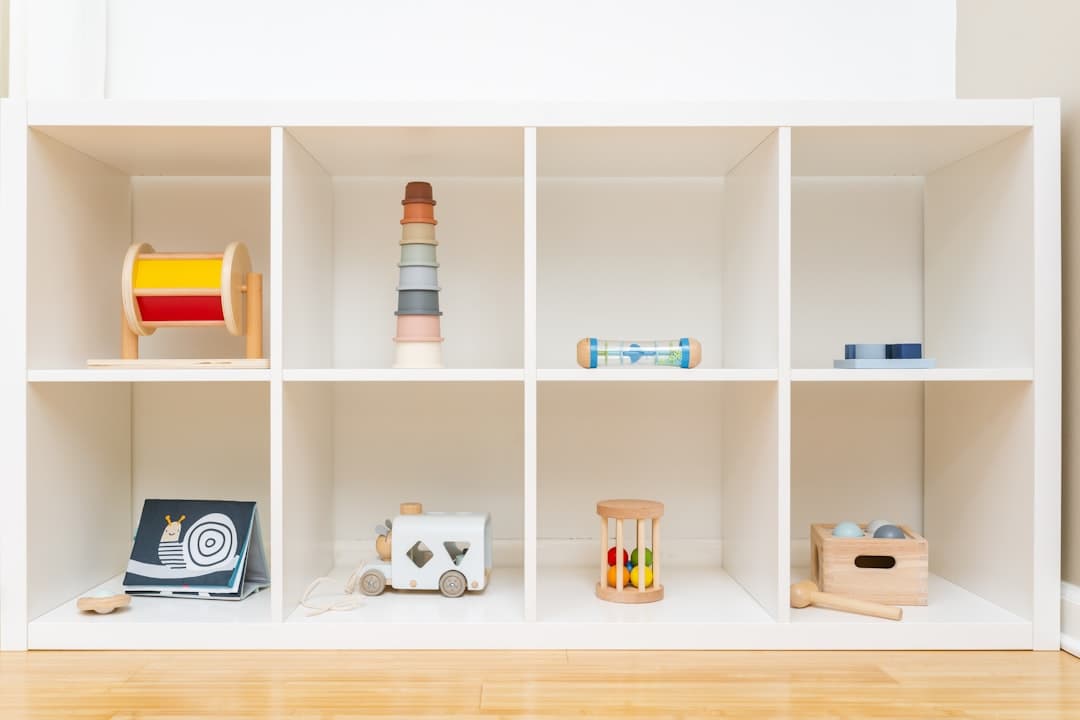
Creating a Montessori-Friendly Space
One of the first steps in implementing Montessori principles is to create a safe and inviting environment for your baby.
- Minimize clutter: A clean, clutter-free space helps your baby focus on what's important — the activities themselves.
- Furniture at baby level: Consider using low shelves and soft mats for safe floor exploration.
- Natural and simple materials: Opt for toys made from wood, fabric, or other natural materials that are non-toxic and safe.
Activities for Newborns (0-3 Months)
At this stage, your baby is adjusting to the world outside the womb. They'll spend most of their day sleeping and eating but are also beginning to recognize faces, sounds, and touch. Here are some simple yet stimulating activities:
Tactile Exploration
Introduce different textures to your baby to stimulate their sense of touch. You can do this by:
- Using soft fabrics like cotton or silk.
- Gently massaging their hands and feet with variations in pressure.
These tactile experiences help your baby become more aware of their body.
Visual Stimulation with High-Contrast Cards
Newborns' vision is still developing, and they are particularly attracted to high-contrast images. Black and white cards are excellent for stimulating their visual sense. Place these cards where your baby spends most of their time, such as above their changing station or in their crib.
Activities for Infants (4-6 Months)
As your baby gains control over their movements, they become more engaged with their environment. This is the perfect time to introduce activities that refine their motor skills and deepen their exploration.
Grasping and Reaching Exercises
Your baby will enjoy grabbing objects and bringing them closer to explore. Consider using:
- Rattles: Choose lightweight, easy-to-grasp rattles that make gentle noises.
- Bead mazes: These encourage your baby to move objects along a track, enhancing hand-eye coordination.
Sound Exploration with Music
Introduce your baby to different sounds by playing gentle music or using simple instruments like maracas. This not only enhances auditory skills but also encourages rhythm, which is a gateway to both physical and emotional development.
Activities for Older Infants (7-9 Months)
Your baby may start crawling, sitting up, and exploring the world on their own at this stage. It's an exciting time to introduce more complex activities that support their burgeoning independence.
Montessori Treasure Basket
The treasure basket is a classic Montessori activity that allows your baby to choose what interests them. Fill a shallow basket with a variety of safe household items like wooden spoons, fabric swatches, and small mirrors.
- Tip: Rotate the items regularly to maintain your baby’s interest.
Crawling Obstacles
Set up a small course using pillows and blankets to encourage crawling over and around soft obstacles. This not only helps develop gross motor skills but also builds confidence and spatial awareness.
Activities for Toddlers (10-12 Months)
As your child approaches their first birthday, they are likely very mobile and curious. This is the time to introduce activities that challenge their cognitive and physical skills.
Stacking and Sorting
Babies love the challenge of stacking blocks or sorting shapes. These activities develop problem-solving skills and improve fine motor coordination.
- Choose age-appropriate toys: Ensure the toys are large enough to avoid choking hazards.
Imitative Play
At this age, babies enjoy mimicking adult behavior. Provide safe versions of everyday items, like pots and pans or a toy phone, to encourage pretend play. This not only boosts social skills but also fosters imagination.
Conclusion
Incorporating Montessori baby activities from the earliest months of life can be a delightful way to nurture your baby's development. By focusing on your baby's interests and providing a safe environment for exploration, you allow them to learn at their own pace. As they grow, these guided experiences will lay a solid foundation for a lifelong love of learning.
Photo by Carrie Allen www.carrieallen.com on Unsplash