Understanding your menstrual cycle might not be the hottest dinner table conversation, but when you're planning to grow your family, it's essential knowledge. Whether you're trying for your first or adding a new member, unraveling the mysteries of how your menstrual cycle affects conception can be incredibly empowering. Consider this your guide to understanding what happens every month, how it relates to conception, and how you can stack the odds in your favor.
The Menstrual Cycle: An Overview
Your menstrual cycle isn't just about the days you have your period. It's a complex dance of hormones, eggs, and uterine linings that, when well-timed, leads to conception. Generally, a menstrual cycle lasts between 21 to 35 days, though the "average" cycle is often cited as 28 days. Understanding the phases of your cycle can help you identify your fertile window, the optimal time for conception.
The cycle begins with menstruation, the shedding of the uterine lining, which lasts around 3 to 7 days. Following menstruation, the follicular phase kicks in, typically lasting until day 14 in a 28-day cycle. During this time, the hormone estrogen helps rebuild the uterine lining, and the ovaries prepare to release an egg.
Ovulation, the cycle's star event, occurs approximately in the middle of your cycle, around day 14. This is when a mature egg is released from the ovary. Post-ovulation, the luteal phase begins, lasting until the start of your next period.
Understanding each phase of your menstrual cycle is key to recognizing fertility cues and planning for conception.
Signs of Ovulation: Your Body's Signals
Timing is everything when trying to conceive, and ovulation is the pivotal moment. Luckily, your body gives signals to let you know when you're most fertile:
Cervical Mucus Changes: As ovulation approaches, cervical mucus increases and transforms into a clear, slippery consistency, resembling egg whites. This change helps sperm travel more easily to meet the egg.
Basal Body Temperature (BBT) Shift: Before ovulation, your BBT is relatively stable. After the egg is released, a slight increase occurs (0.5°F-1.0°F). Charting your BBT over time can help pinpoint when ovulation occurs.
Hormonal Shifts: Luteinizing hormone (LH) surges approximately 24-36 hours before ovulation. Ovulation predictor kits detect this surge, helping to identify your fertile window.
Physical Symptoms: Some women experience mild ovulation pain or discomfort, known as mittelschmerz, on one side of the abdomen, and heightened senses or increased libido.
Being in tune with your body's natural rhythms can guide you toward your most fertile days, maximizing your chances of conception.
Tracking Your Menstrual Cycle
Tracking is an essential tool when trying to conceive. With modern technology, it's easier than ever to keep tabs on your cycle and fertility indicators.
Cycle Tracking Methods:
Apps: Numerous fertility apps are available that help you log symptoms, track your cycle's length, and predict your fertile window.
Basal Body Temperature Charting: A more traditional method, this requires daily temperature recording and charting to identify patterns and shifts.
Ovulation Predictor Kits (OPKs): Simple at-home tests that detect the LH surge, indicating imminent ovulation.
Consistency is key with whichever method you choose. Over several months, you’ll get a clearer picture of your cycle's patterns and its variations.
Lifestyle Tips for Optimizing Fertility
Becoming aware of your cycle is just one part of the equation. Optimizing your overall health can also improve your chances of conception.
Maintain a Healthy Diet: Focus on a balanced diet rich in fruits, vegetables, whole grains, and lean proteins to provide the necessary nutrients for reproductive health.
Exercise Regularly: Moderate physical activity can enhance fertility, but remember that too much exercise can have the opposite effect.
Manage Stress: High stress levels can interfere with ovulation. Incorporate stress-reduction techniques like yoga, meditation, or journaling.
Avoid Smoking and Limit Alcohol: Both can negatively impact fertility and overall health.
Revisit Your Healthcare Routine: Regular check-ups can ensure all aspects of your reproductive health are in top shape. Discuss any concerns with your healthcare provider.
Problem Solving: When to Seek Help
If you've been actively trying to conceive for over a year (or six months if you're over 35) without success, it's advisable to consult a healthcare professional. They can help identify potential issues and discuss fertility treatments if needed.
While understanding your menstrual cycle is a powerful tool, several other factors play a role in fertility, and it's important not to become discouraged if things don't happen immediately.
Conclusion
Understanding your menstrual cycle is a foundational step in your conception journey. By recognizing your cycle's phases, interpreting ovulation signals, and incorporating healthy lifestyle habits, you’re already stacking the odds in your favor. Remember, each cycle is unique, and patience is an essential companion along this path. For more tips and supportive resources, platforms like BabyReveal (genderreveal.love) can accompany you on your journey toward expanding your family.
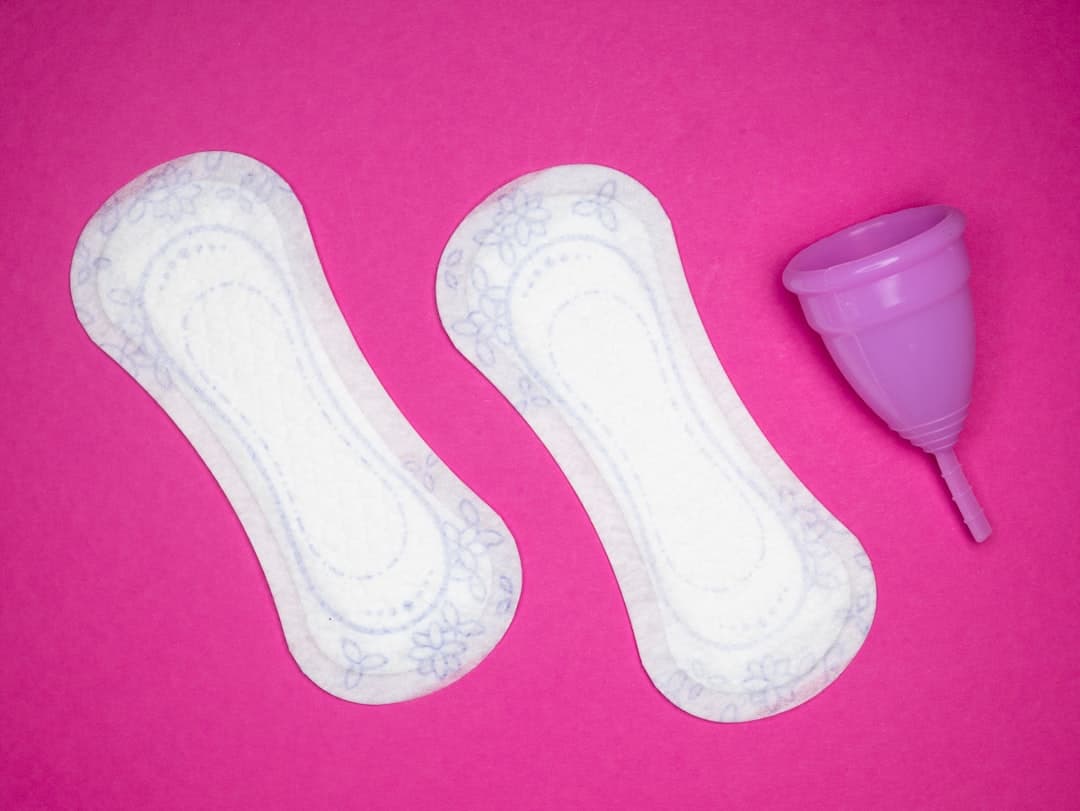
Photo by Reproductive Health Supplies Coalition on Unsplash