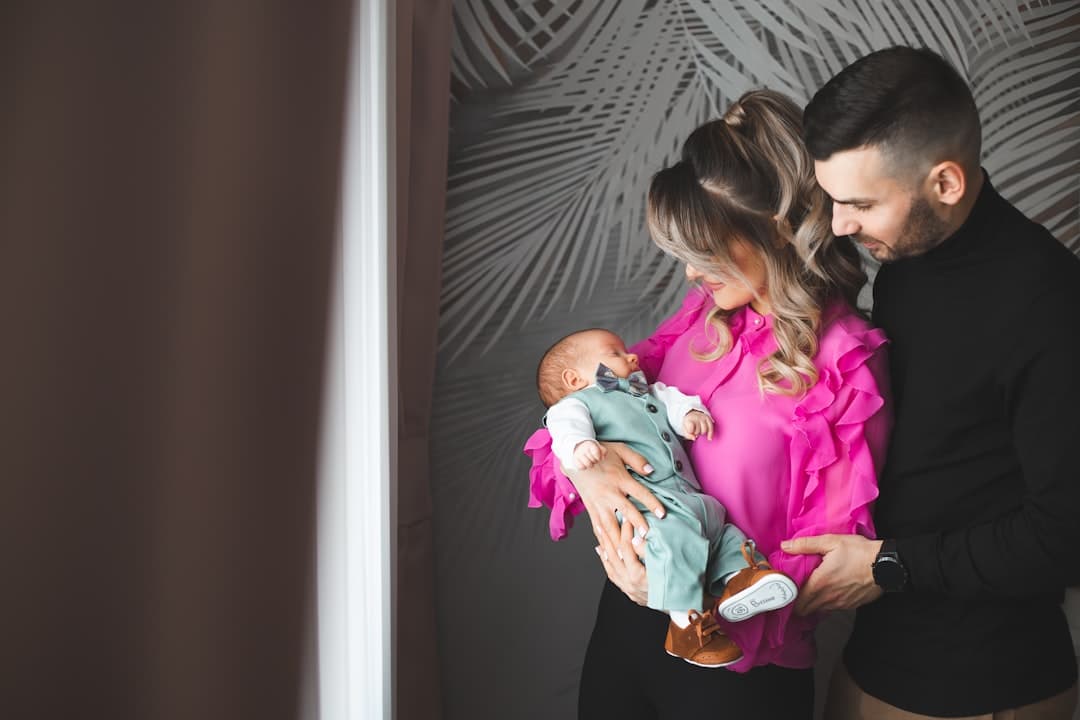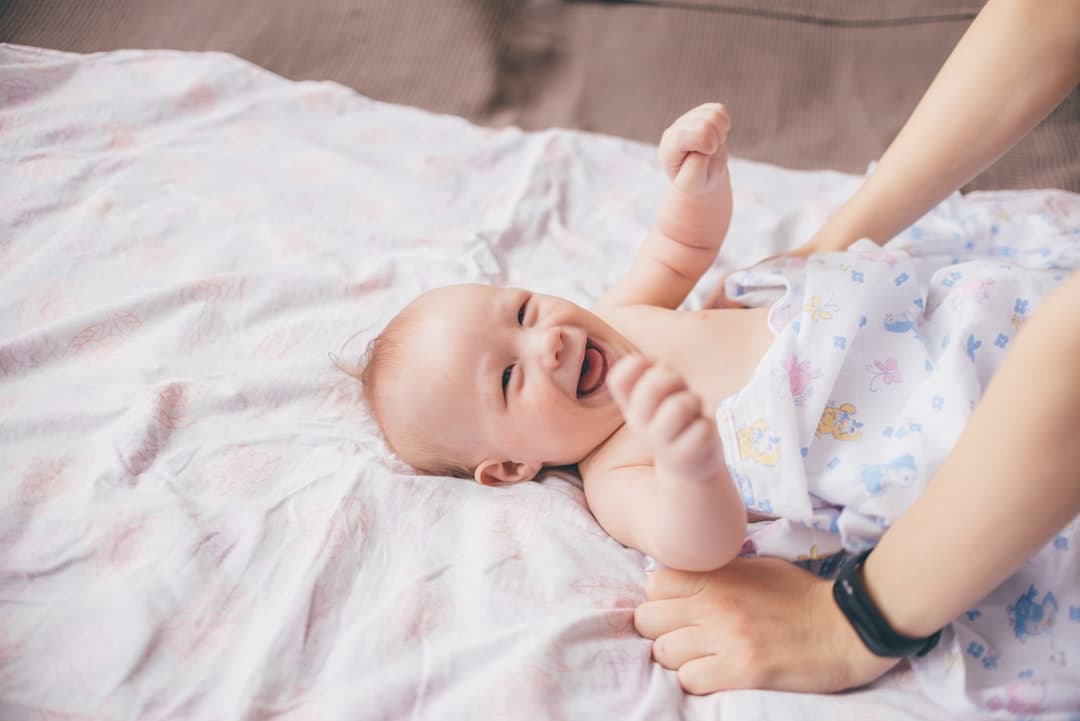
Welcoming your newborn into the world is an exhilarating journey filled with awe, wonder, and endless love. Among the countless moments of joy, nothing warms a parent's heart quite like the first glimpse of their baby's smile or the delightful sound of their laughter. Likewise, seeing your little one crawl for the first time marks a memorable milestone on their path to discovering the world. Understanding when these milestones typically occur can help you support and encourage your baby's development while celebrating each precious stage.
When Do Babies Start Smiling?
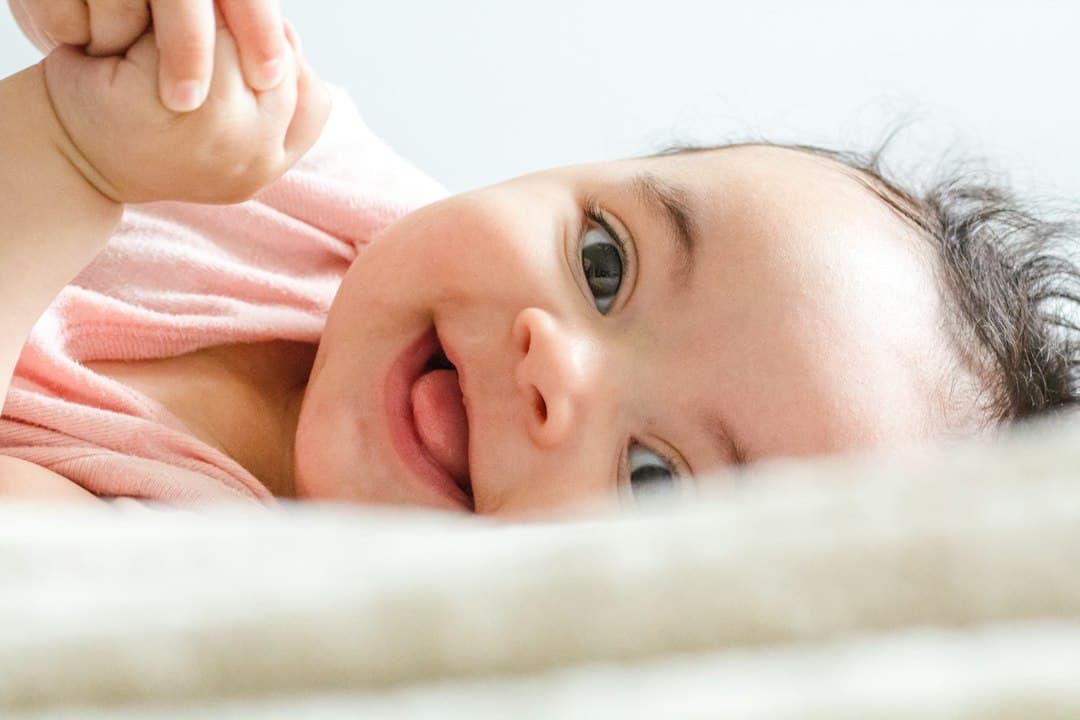
Babies usually start smiling as early as six to eight weeks old. Often, the initial smiles, known as "reflex smiles," occur naturally when babies are comfortable, content, or even sleepy. As they grow, their smiles become more genuine, socially responsive gestures, signaling happiness and delight.
Encouraging Smiles: To inspire more of those heart-melting grins, engage in activities that captivate your baby's attention. Gentle talking, singing, or making playful facial expressions can draw out those adorable baby smiles. Regular eye contact can also promote social smiles and strengthen your bond.
Be Patient: If your baby doesn't smile right away, don't worry. Every baby is unique, and their timeline may vary. If concerned, consult your pediatrician, who can offer reassurance and guidance.
The First Giggle: When Do Babies Start Laughing?
Around three to four months, babies typically begin chuckling with those infectious giggles we all adore. They're gradually discovering the delightful world of sounds, including laughter, which is often triggered by tickles, funny noises, or even just a parent's goofy expression.
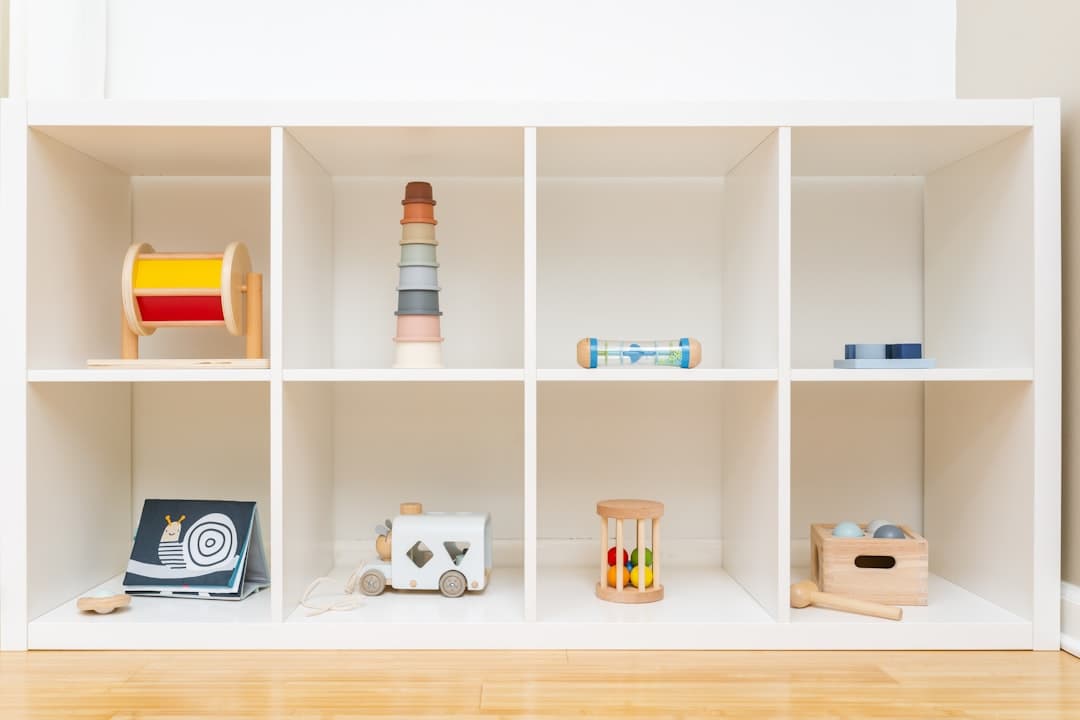
Create a Laughter-Friendly Environment: Spend quality time playing fun games like peek-a-boo or making silly sounds to elicit laughter. Musical toys or gentle tickling can also be delightful sources of amusement. The key is to find what makes your baby happiest and embrace those moments.
Encourage Social Interaction: Babies often love observing those around them. They are natural mimics and respond well to happy, animated interactions. Laugh along with them, clap your hands, or show genuine excitement to elevate their mood and encourage more giggles.
The Crawl: When Do Babies Start Crawling?
Crawling is a huge milestone that typically occurs between seven to ten months. This developmental stage reveals your baby's increasing strength and coordination as they learn to explore their surroundings independently.
Prepare a Safe Space: As your baby starts showing signs of crawling, ensure their environment is safe for exploration. Childproof your home by covering electrical outlets, installing safety gates, and removing any hazardous objects from their reach.
Tummy Time Encouragement: Regular tummy time strengthens your baby’s neck, shoulder, and arm muscles, crucial for crawling. Start with short sessions and gradually extend the duration as your baby becomes more comfortable and skilled.
Varied Surfaces: Encourage crawling by allowing your baby to experiment on different textures, like rugs, mats, or plush carpets, which can enhance their tactile experiences and coordination.
Understanding Developmental Variations
It's essential to acknowledge that babies develop at their own pace. Some may reach milestones earlier or later than peers, which is perfectly normal. Factors such as genetics, health, and personality can influence the timing of these milestones.
Here are some tips to keep in mind:
Consult with Healthcare Providers: Routine checkups can ensure your baby is progressing as expected. If there are any concerns, your baby's doctor can suggest appropriate steps or interventions.
Celebrate All Progressions: Regardless of when your baby reaches specific milestones, each step is significant on its own. Document your baby's progress with photographs or a journal to cherish these fleeting moments and celebrate their growth.
Connecting with Other Parents
Sharing experiences with other parents can offer support and insights into your baby's development. Online forums, local parenting groups, or websites like BabyReveal (genderreveal.love) can be valuable resources for advice and camaraderie.
Join Parenting Networks: Consider joining parenting classes or online communities to build connections and gain confidence in your parenting journey. These platforms can provide a sense of belonging and encouragement.
Share and Learn: Engage in discussions, share your baby's milestones, and exchange tips with other parents. Learning from others can help you adapt strategies that suit your family's needs.
Conclusion
Witnessing your baby's first smile, laugh, or crawl is a magical experience. These moments mark significant milestones in their growth journey, providing endless joy and bonding opportunities. By understanding these developmental stages, safely preparing the environment, and fostering strong interactions, you can support and celebrate your baby's achievements, creating cherished memories along the way. Remember, every baby is unique, and embracing their unique timeline will make the journey even more special.
Photo by Daniil Silantev on Unsplash